
The decision library
REFERENCE / PRACTICEStart with the action you face — details
The explanation below covers the main points. A starting hand is two cards in a specific position against a specific wager. The same cards can justify different decisions in an unopened pot, after a raise or after several callers. Identify the price and the players still waiting behind you before evaluating the hand. The surrounding sections explain the related topics in more detail.
High pocket pairs
This section explains what to expect. High pairs begin with a made hand and can dominate lower pairs before the flop. Their strength still depends on the board and the action that follows. An overcard, coordinated board or large multi-player pot can change what a pair is worth after the flop. Revisit the relevant section if a detail is unclear.
Small and medium pairs — details
This overview brings the relevant details together. Smaller pocket pairs can improve to three of a kind, but that improvement is uncommon on any single flop. Calling a large wager solely to chase a set can be expensive. Consider the effective stack and what you might realistically win when the favorable card arrives. A careful reading can help you distinguish the different situations.
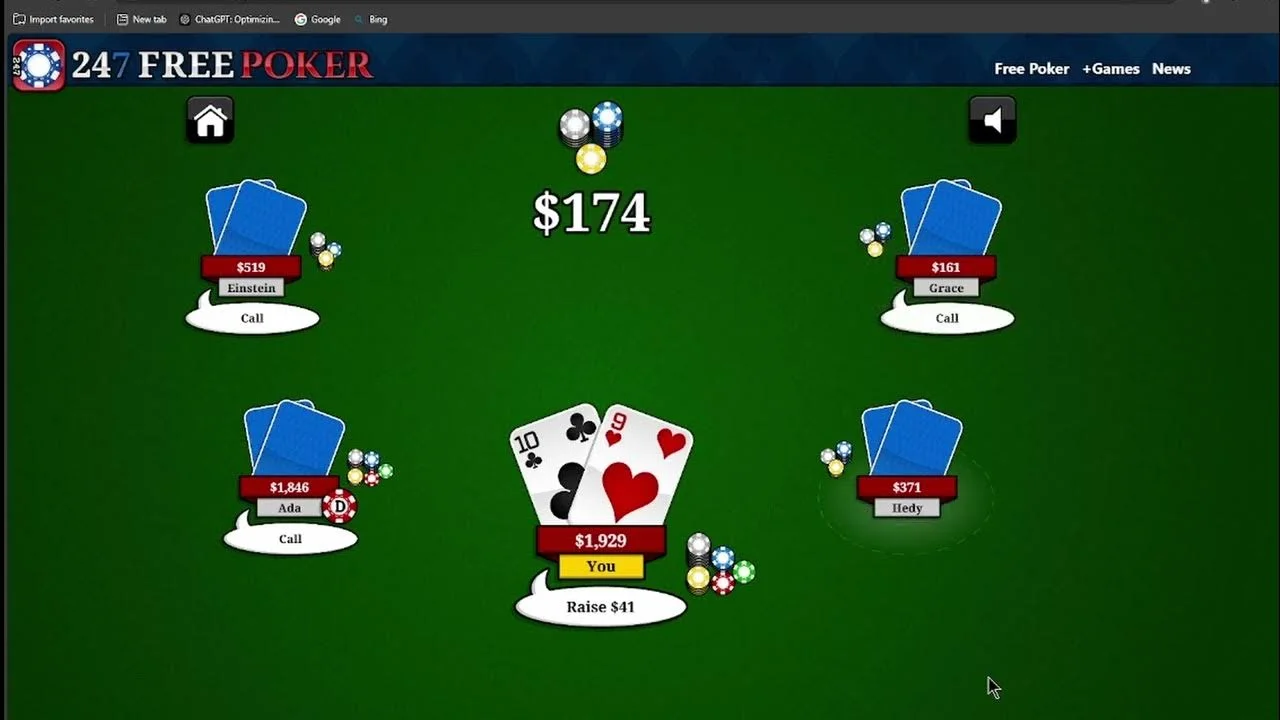
Strong high-card combinations — details
This overview brings the relevant details together. Two high cards can make top pair with a useful kicker, and some combinations also form strong straights. They remain unpaired before the flop. A high-card hand that looks attractive in isolation may be dominated when a tighter opponent enters with a stronger ace or king. If a question remains, the FAQ form provides a way to contact the operator.
Suited cards — details
The key details are straightforward. Sharing a suit creates a possibility of making a flush, but it does not turn every weak combination into a strong starting hand. A low suited hand can also make a lower flush than an opponent. Treat suitedness as one factor alongside rank, connectivity, position and price. Keeping the full context in mind helps avoid misunderstandings.
Connected ranks
Here is the context for this part of the site. Consecutive or nearby ranks can connect with more straight possibilities than widely separated cards. They often need improvement after the flop to become strong. A draw's value depends on its clean outs, the price to continue and whether another player can make a higher hand. Read this alongside the related information on this site.
Offsuit weak aces — details
A useful starting point is the following overview. A weak ace can make top pair with a poor kicker and lose to another ace. This risk can be easy to overlook when the board contains only one ace. Consider whether your hand can win a sizeable pot against the range of hands that would continue with you. Use this explanation as a reference during your next visit.
Early position requires care
This overview brings the relevant details together. Acting early leaves more players able to call or raise after your decision. A tighter selection can reduce the number of difficult situations you enter without information. The right adjustment depends on the actual table, so avoid treating a fixed list as a guarantee of profit. A careful reading can help you distinguish the different situations.
Late position offers information
For this topic, keep the following in mind. When several players have folded, fewer opposing hands remain and your chance of acting last after the flop can improve. This can support a wider selection than early position. A large raise in front of you can still make a marginal late-position hand unsuitable. The surrounding sections explain the related topics in more detail.
Review ranges instead of one result — details
For this topic, keep the following in mind. After a completed hand, ask which starting hands you would play in the same situation and why. A lucky flop does not make a costly pre-flop call sound. Use the local history to compare your intended plan with the later betting decisions it created. You can return to this explanation whenever you need a reminder.